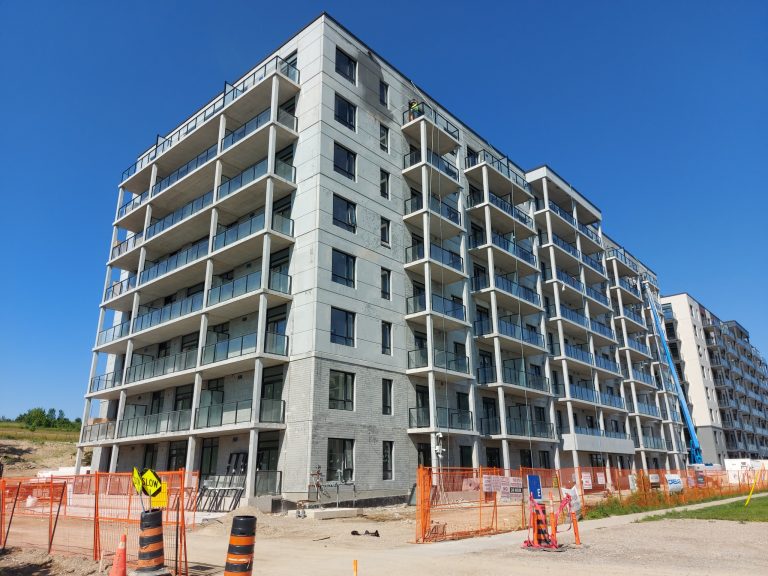
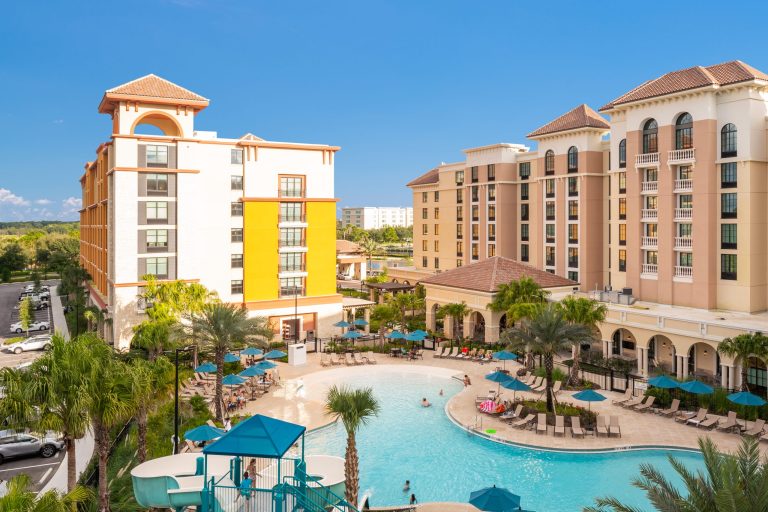
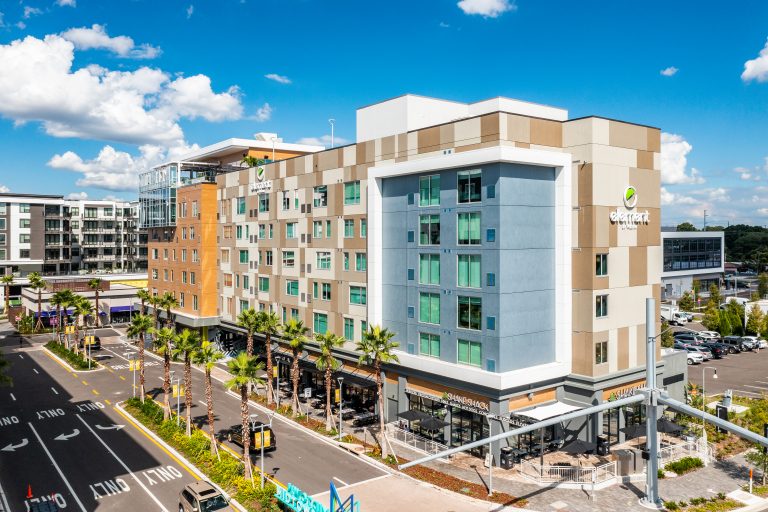
Multifamily projects live and die by schedule, safety and resident comfort. Precast concrete addresses all three, which is why it is widely used for apartment buildings, condominiums, student housing and senior living.
Faster delivery means earlier revenue
Floors and walls are manufactured while site work is underway, then erected quickly. Fewer weather delays and less formwork on site help keep schedules predictable. For a developer, every month saved is a month of earlier rent or sales.
Fire safety
Concrete is noncombustible, and precast floors and walls can provide fire-resistance ratings. Compartmentation between units helps contain fires and protects residents, a major reason many owners prefer concrete for residential buildings. Read more about precast fire resistance.
Sound control between homes
Noise complaints are among the most common resident concerns. The mass of precast floors and walls helps block airborne sound between units, and when combined with appropriate floor finishes, underlayments and ceilings, can support strong impact-sound performance. Acoustic performance depends on the full assembly, so specify tested systems.
Durability and low maintenance
Precast resists rot, pests and mold and holds up well over decades of use. Exterior panels with integral finishes reduce repainting and repair needs.
Design flexibility
- Hollow core floors: Flat, level floors with long spans for flexible unit layouts.
- Load-bearing walls: Demising walls can carry structure and separate units at the same time.
- Precast balconies and stairs: Manufactured to match the building and installed quickly.
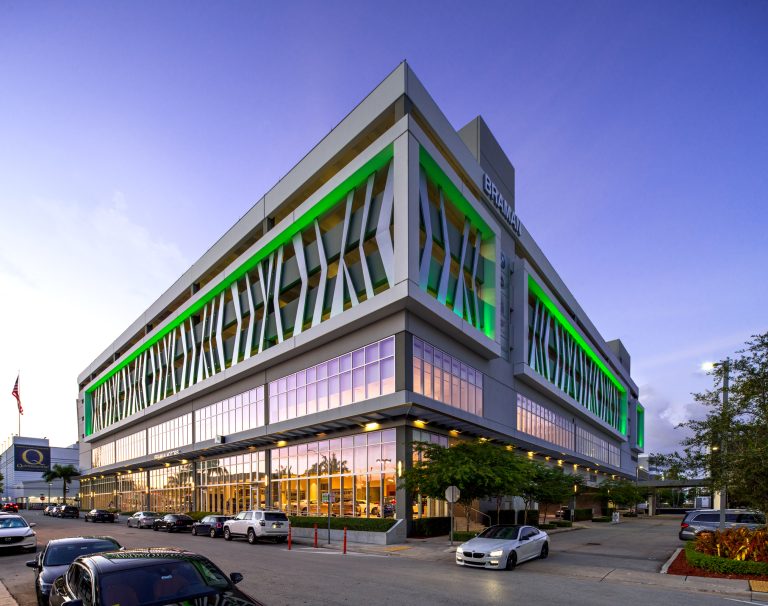
- Architectural facades: Panels can give apartment buildings a distinctive look.
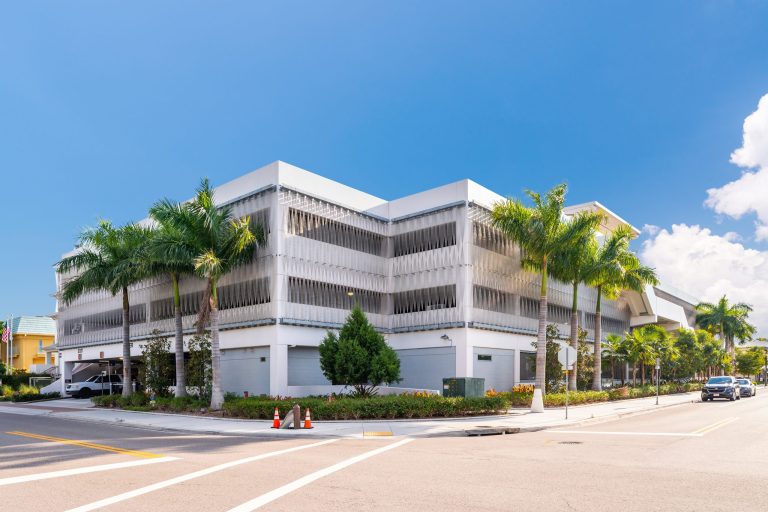
- Parking podiums and garages: Precast can build the parking below or beside the residential building.
Student housing and senior living
These projects have many repeated units and tight opening dates, which suits precast production. Durability, fire safety and sound control are particular priorities in these settings.
What to coordinate early
- Unit layouts and wall locations for load-bearing walls
- Plumbing, electrical and HVAC penetrations through floors and walls
- Balcony and stair details
- Fire and sound ratings required by code
- Crane and delivery access on tight sites
Explore our housing work
See our housing and podium capabilities, browse completed projects and learn about hollow core floors. Contact the Coreslab plant nearest you to discuss your next building.
This article is general information, not engineering advice. Final design must be completed by licensed professionals in accordance with local codes.
FAQ
Frequently asked questions
Is precast concrete good for apartment buildings?
Yes. It offers speed, fire resistance, sound control and durability, which are priorities in multifamily housing.
How does precast reduce noise between apartments?
The mass of concrete floors and walls blocks sound. Overall performance depends on the complete assembly, including finishes and ceilings.
Can precast be used for high-rise residential buildings?
Yes. Precast systems are used in low-, mid- and high-rise residential buildings, often in combination with other structural systems.
Featured projects