
Precast concrete is chosen for projects that need to perform for many decades. A well-designed, well-made and well-maintained precast structure can serve for generations. Here is what affects lifespan and what owners can do to protect their investment.
Why precast lasts
- Dense, high-quality concrete: Plant production allows tight control over mixes and curing, so concrete is typically dense and low in permeability.
- Prestressing: Compression in prestressed members helps keep concrete tight and cracks small.
- Protective cover: Reinforcement is placed with controlled concrete cover, shielding it from moisture.
- Noncombustible and resistant: Precast does not rot, is not eaten by pests, and resists mold.
What affects lifespan
- Environment: Deicing salts, coastal air, freeze-thaw cycles and industrial exposure all influence durability.
- Design details: Slopes and drains, joint detailing and cover thickness have a major impact.
- Materials: Mix design, air entrainment where required, and protected reinforcement all matter.
- Maintenance: Sealants, coatings and drainage need periodic attention.
- Use and loads: Structures operated within their design loads perform as expected.
A realistic expectation
Many precast buildings and parking structures are designed for service lives of 50 years or more, and many last well beyond that with appropriate maintenance. The actual life of any structure depends on its exposure and how well it is cared for.
Simple maintenance checklist
- Inspect the structure regularly, especially after harsh winters.
- Keep drains clear so water does not pond.
- Maintain joint sealants and replace them when they fail.
- Wash off deicing salts where appropriate.
- Repair small cracks and spalls before they spread.
- Keep records of inspections and repairs.
Parking structures need extra care
Because they are exposed to salt, water and traffic, parking structures benefit most from a maintenance plan. Our resources library includes parking-structure maintenance guidance.
Designing for the long term
Durability starts in design. Talk to a precast producer about exposure conditions, cover, joints and finishes before drawings are final. Learn more about precast durability and strength, or contact the Coreslab plant nearest you.
This article is general information, not engineering advice. Service life depends on design, exposure and maintenance.
FAQ
Frequently asked questions
Does precast concrete need maintenance?
Less than many materials, but it still benefits from periodic inspection, keeping drains clear, and maintaining sealants and coatings.
Does precast concrete crack over time?
All concrete can develop small cracks. Good design, prestressing and proper detailing help limit them, and small cracks can be repaired before they grow.
Can precast concrete be repaired?
Yes. Chips, spalls and cracks can be repaired with approved materials and methods, and joints can be resealed.
Featured projects
Precast solutions in action
 Beacon Hall, Valparaiso University – Valparaiso, IN
 Texas A&M University College of Dentistry Clinic and Education Building – Dallas, TX
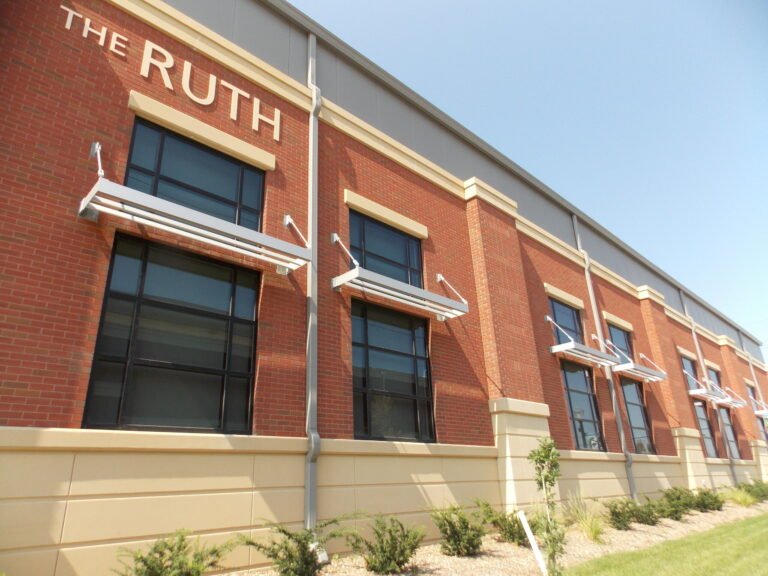 Creighton University Ruth Scott Training Center – Omaha, NE
 St. Armands Parking Garage – Sarasota, FL
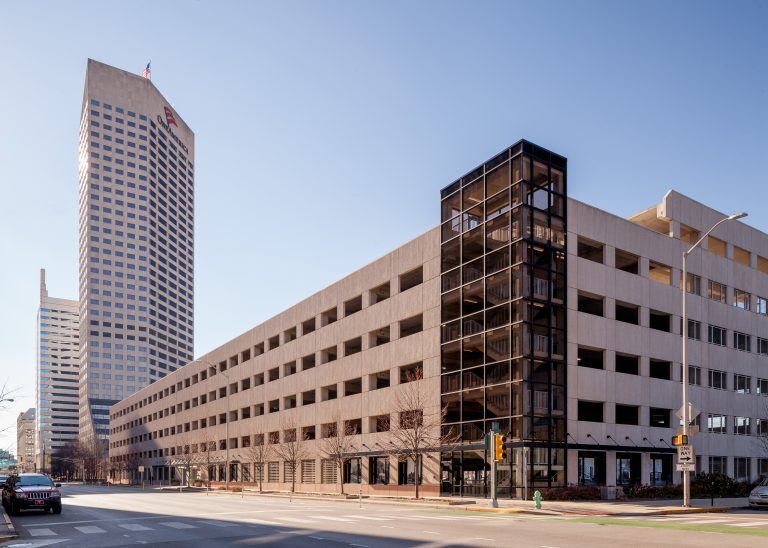 OneAmerica Tower Parking Garage – Indianapolis, IN
 Carmel Park East Parking Garage (Veterans Way Garage) – Carmel, IN