
A precast structure is only as good as its connections. They transfer loads between members, tie the structure together, and allow for movement from temperature, shrinkage and creep. Here is how precast connections work and what to consider.
What connections do
- Carry vertical loads from floors and beams to columns, walls and foundations
- Resist lateral forces from wind and seismic events
- Tie members together to provide stability, including during erection
- Allow controlled movement where needed
Common connection types
- Bearing connections: A member rests on a corbel, ledge, wall or pad, which carries vertical load.
- Welded connections: Embedded steel plates in adjoining members are welded together or to a connecting angle or plate.
- Bolted connections: Embedded inserts or plates are bolted together, which can allow faster erection and adjustment.
- Doweled connections: Steel dowels project from one member into a sleeve or hole in another, often grouted in place.
- Grouted joints: Joints between members are filled with grout to transfer force and seal the connection.
- Cast-in-place closure pours: Reinforced concrete is placed between members to create continuity, common in floors and at supports.
Wall panel connections
Wall panels are connected to foundations, to each other and to the building frame. Panels may be supported at the bottom, with connections near the top to resist wind and seismic loads. Joints between panels are sealed to control water and air movement.
Floor and roof connections
Hollow core floors and roofs often act as diaphragms, spreading lateral forces to walls or frames. Connections between planks, and between planks and supports, with or without a structural topping, are designed to carry these forces.
Design considerations
- Movement: Allow for temperature changes, shrinkage and creep.
- Tolerances: Provide adjustment so pieces can be aligned during erection.
- Access: Make sure crews can reach the connection to complete it.
- Corrosion protection: Protect exposed steel with coatings or galvanizing where appropriate.
- Fire protection: Consider fireproofing for exposed connection hardware where required.
- Repetition: Standard, repeatable details simplify production and erection.
Who designs the connections?
Responsibility for connection design is defined in the project contract. In many projects the precast producer's engineers design and detail the connections for the precast system, working with the engineer of record. Early coordination avoids conflicts with other structural elements.
Related reading
See how precast is installed, learn about beams and columns, or explore our engineering services. For technical references, visit our technical articles.
This article is general information, not engineering advice. Final design must be completed by a licensed engineer.
FAQ
Frequently asked questions
Are precast connections strong?
Yes. Connections are engineered for the loads they must carry and are detailed and inspected to perform as designed.
What is the most common precast connection?
Bearing on supports combined with welded or bolted plates and grouted joints is very common, but the choice depends on the structure.
Can precast connections be hidden?
Often yes. Many connections are located where they are covered by finishes, toppings or other construction.
Featured projects
Precast solutions in action
 Capitol View Parking Garage – Indianapolis, IN
 Phoenix Children’s Hospital Parking Garage- Phoenix, AZ
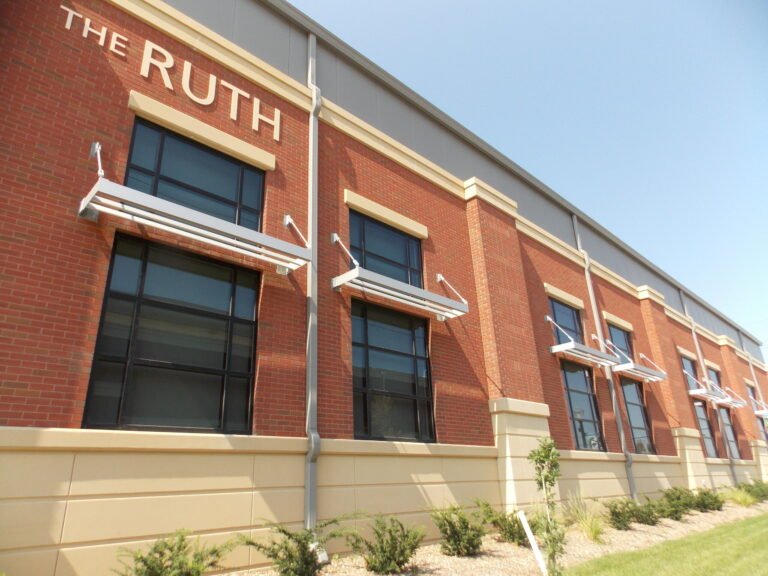 Russellville High School Gym – Russellville, AR
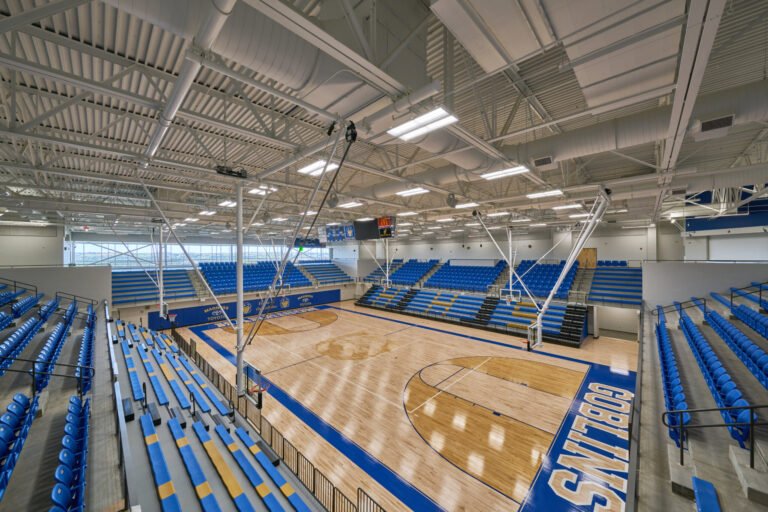 Harrison High School Gym – Harrison, AR
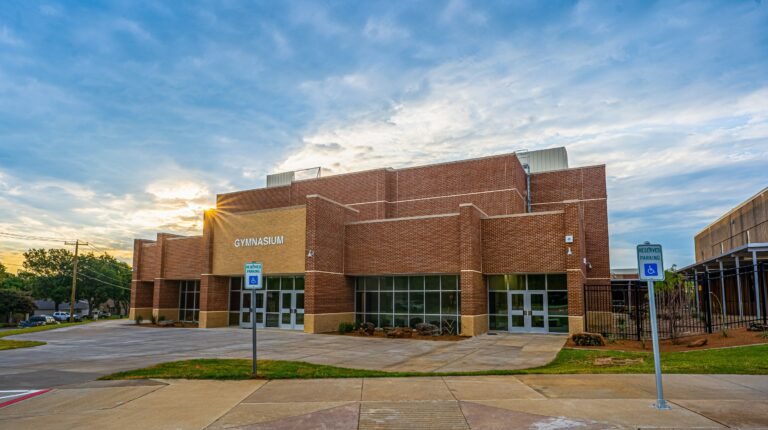 Smithfield Middle School – Gymnasium Addition – North Richland Hills, TX
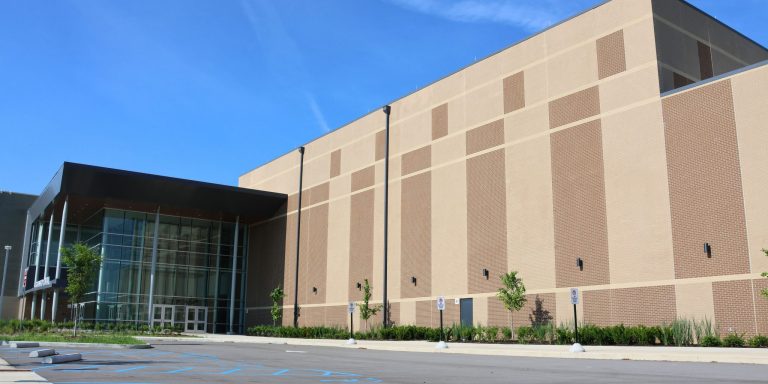 Greenfield Central High School Auditorium – Greenfield, IN